

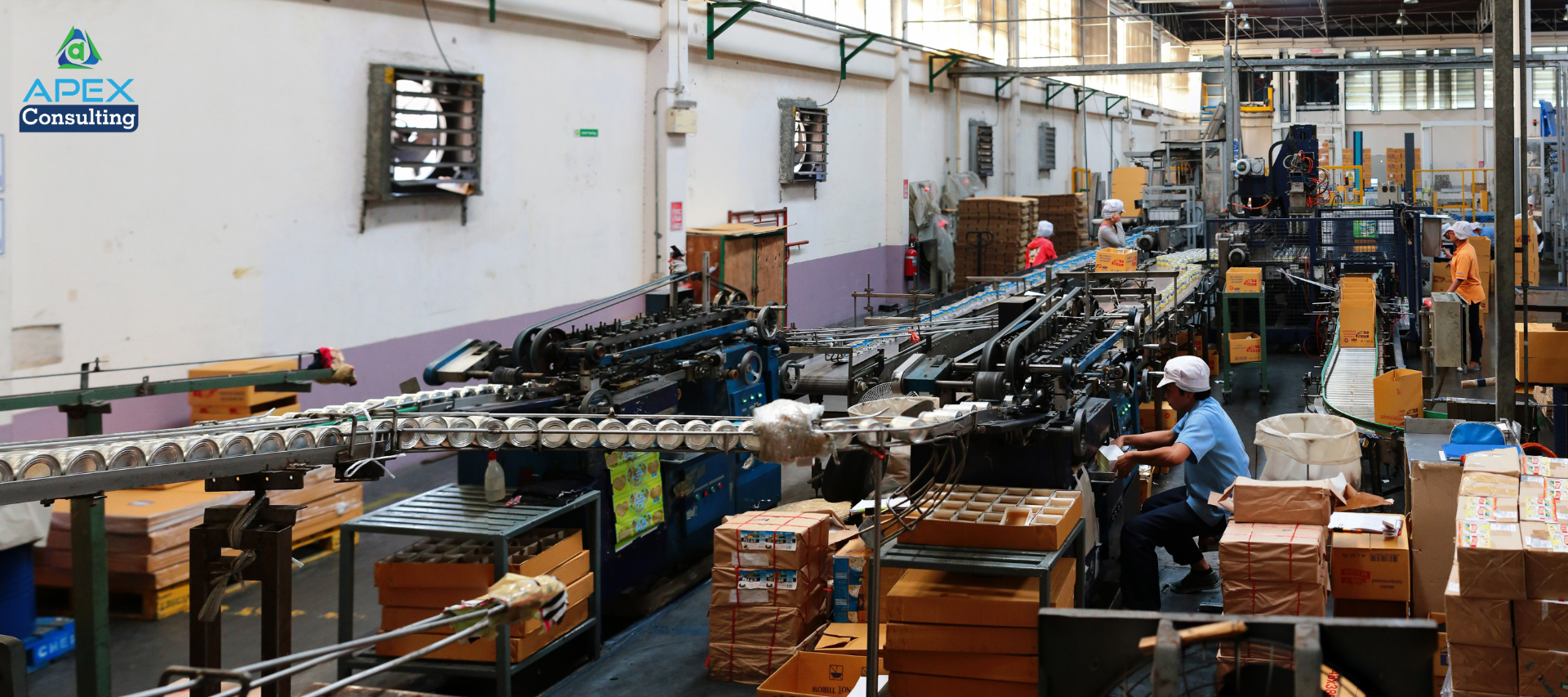
In the ever-evolving landscape of manufacturing, staying competitive requires embracing innovation. The advent of Industry 4.0 and the rise of digital manufacturing have opened up new horizons for the industry. In this blog, we’ll explore how SAP services drive innovation in manufacturing, revolutionizing everything from supply chain management to lean manufacturing principles. We’ll also delve into the challenges and solutions involved in implementing these services.
I. Introduction to Innovation in Manufacturing and SAP Services
The manufacturing industry has always been at the forefront of innovation. In today’s dynamic environment, it’s not just about producing goods but also about efficiently, sustainably, and with quality. This is where SAP (Systems, Applications, and Products) services come into play. They offer a comprehensive suite of tools and solutions that empower manufacturers to embrace cutting-edge technology and strategies.
II. Enhancing Efficiency with SAP Services in Manufacturing
A. Streamlining Supply Chain Management
Effective supply chain management is the backbone of any manufacturing operation. SAP services provide real-time visibility into the supply chain, from raw material procurement to final product delivery. This transparency allows manufacturers to make informed decisions, optimize inventory, and respond swiftly to market changes.
By streamlining supply chain operations, manufacturers can reduce lead times, minimize excess inventory, and enhance overall efficiency.
B. Empowering Lean Manufacturing Principles
Lean manufacturing principles aim to eliminate waste and maximize value. SAP services support these principles by offering tools that optimize processes, reduce defects, and minimize costs.
SAP can enable just-in-time manufacturing, where components are ordered and produced as needed, reducing excess inventory. It can also help in continuous improvement efforts by providing data and analytics for identifying and addressing inefficiencies.
C. Automating Production with SAP Services
Automation is a key component of modern manufacturing. SAP services offer automation solutions to improve manufacturing processes, from production scheduling to quality control.
Manufacturing Execution System (MES) solutions, integrated with SAP, allow for real-time monitoring and control of production processes. This means fewer errors, faster production cycles, and enhanced overall productivity.
III. Leveraging Digitalization for Innovation in Manufacturing
A. Harnessing the Internet of Things (IoT)
The Internet of Things (IoT) connects devices and machines to the Internet, enabling them to communicate and exchange data. In manufacturing, IoT can be used for predictive maintenance, where machines can signal when they need repairs, reducing downtime and costs.
SAP services facilitate IoT integration, allowing manufacturers to collect and analyze data from various sensors and devices. This data can be used to make data-driven decisions, optimize production, and improve equipment reliability.
B. Embracing Data Analytics and Artificial Intelligence (AI)
Data analytics and AI are transforming manufacturing by providing insights and predictive capabilities. SAP services offer advanced analytics and AI solutions that can analyze vast amounts of data to optimize production and forecast demand.
Manufacturers can use AI to predict machine failures, reduce maintenance costs, and enhance product quality. Data analytics can also help identify patterns in production data, allowing for continuous improvement.
C. Advancing Collaborative Manufacturing with Cloud Integration
Cloud integration is crucial for facilitating collaboration among various stakeholders in manufacturing. SAP services offer cloud solutions that enable secure data sharing, collaborative design, and remote access to data.
This collaborative approach enhances communication and coordination between different teams, even if they are geographically dispersed. Cloud-based Product Lifecycle Management (PLM) tools, for instance, make it easier for engineers, designers, and production teams to work together on product development.
IV. Overcoming Challenges in Implementing SAP Services for Innovation
While SAP services offer many benefits, implementing them can be challenging. Here are some common challenges and how to address them:
A. Building a Strong Technology Infrastructure
Implementing SAP services often requires a robust IT infrastructure. Manufacturers must invest in hardware and software that can handle the demands of these services. A well-structured IT strategy and a phased implementation approach can help manage this challenge.
B. Managing Change and Cultural Shifts
Adopting new technology and processes can be met with resistance from employees. Proper change management, training, and creating a culture of continuous improvement can help address this challenge. Employees need to understand how these changes will benefit the company and themselves.
C. Addressing Cost and Return on Investment (ROI) Concerns
Investing in SAP services can be costly, and manufacturers may be concerned about the return on investment. To address this, companies should develop a clear business case that outlines the benefits, savings, and expected ROI. It’s essential to consider the long-term benefits of improved efficiency, reduced waste, and enhanced competitiveness.
V. Conclusion
SAP services are driving innovation in manufacturing, offering solutions that improve efficiency, enhance productivity, and embrace new technologies like IoT, data analytics, and AI. By streamlining supply chain management, empowering lean manufacturing principles, and automating production, manufacturers can stay ahead in today’s competitive landscape.
However, implementing these services can be challenging, requiring a solid technology infrastructure, effective change management, and a clear business case for ROI. However, the potential benefits, including increased efficiency, reduced costs, and improved product quality, make the journey of implementing SAP services in manufacturing a promising and transformative one. As Industry 4.0 continues to shape the manufacturing world, embracing SAP services is a crucial step towards ensuring a competitive edge and sustainable growth.